

Structure

LONGEVITY
INDUSTRY 3.0
Building the future of health, wealth and longevity
DMITRY
KAMINSKIY

DEEP KNOWLEDGE GROUP


About the Author (Dmitry Kaminskiy)
Dmitry Kaminskiy is an innovative entrepreneur, investor, author and philanthropist dedicated to impact investment and ethical business, with a focus on engineering the accelerated trajectory of progressive technological development for the benefit of humanity.
Mr. Kaminskiy is a co-founder and managing partner of Deep Knowledge Group - a consortium of commercial and non-profit organizations active on many fronts in the realm of DeepTech and Frontier Technologies (AI, Longevity, Precision Medicine, FinTech, GovTech, InvestTech), ranging from scientific research to investment, entrepreneurship, analytics, policy and philanthropy.
He leads the activities of the consortium’s venture arms - Deep Knowledge Ventures, an investment fund focused on DeepTech and advanced science projects, and Longevity.Capital, which prioritizes the convergence of Longevity and Artificial Intelligence, areas in which it has unparalleled investment and exit strategies.

He is a frequent speaker on the topics of AI and Longevity, including conferences organized in London by The Economist “Aging Societies and The Business of Longevity”, Financial Times “Smart Machines vs Smart People”, at the Future Finance Forum in Seoul “AI in Finance”, “Precision Medicine World Conference" in Silicon Valley, as well as several others at Oxford and Cambridge Universities.


Introduction
The Evolution of the Longevity Sector
From the foundational frameworks of 1.0 to the technological integration of 2.0, the Longevity Industry has grown from an academic curiosity and niche biotech sector into a multifaceted global industry spanning finance, policy, technology, and healthcare.
The sector’s evolution reflects a deepening understanding that aging is not an immutable fate but a complex, modifiable process amenable to intervention at many levels—from molecular repair to societal design.

Introduction
Early efforts focused on identifying key biological targets and laying the groundwork for clinical translation. This was a time of charting unknown territories—defining the industry’s contours and assembling its key players. The subsequent phase leveraged breakthroughs in AI and data analytics, allowing the rapid identification of promising therapies, the creation of new business models, and the emergence of stable investment ecosystems.
Now, 3.0 signals a systemic transformation. It emphasizes not only the acceleration of innovation but also the practical, humanitarian impact of these advancements on a global scale. The industry recognizes that breakthroughs must be accessible, scalable, and embedded within social and economic systems that promote health equity, intergenerational justice, and resilience against existential risks.
From Individual Health to Species-Wide Longevity
The focus of longevity innovation has traditionally been on the individual—targeting age-related diseases, improving personal healthspan, and extending lifespan. While critical, this lens alone is no longer sufficient. Longevity Industry 3.0 broadens this perspective to a species-wide level, framing longevity as a collective challenge that requires coordinated global strategies.
This shift acknowledges that longevity solutions must integrate public health, environmental sustainability, and socio-political stability. Technological advances in regenerative medicine, gene editing, and AI-powered diagnostics are now converging with large-scale policy initiatives and global governance mechanisms designed to manage longevity risks and opportunities for entire populations. The concept of “species-wide longevity” embodies an integrated vision where the health of every individual contributes to—and benefits from—the resilience of human civilization as a whole. It embraces the complex interplay between biology, technology, environment, and society, positioning longevity not only as a personal asset but as a fundamental pillar of global survival and flourishing.
Introduction
Practical Humanitarian Impact by 2027
The urgency of the Longevity Industry 3.0 mission is clear: technological potential must translate into real-world impact within a concrete timeframe. The year 2027 stands as a critical milestone—by then, the industry aims to have demonstrably accelerated the industrialization of longevity to deliver measurable improvements in global health outcomes and social equity. This practical humanitarian impact is envisioned through a combination of widespread adoption of longevity therapies, integration of AI-driven personalized health systems, deployment of global longevity governance structures, and establishment of financial models that democratize access to longevity technologies. It represents a transition from fragmented innovation to coordinated industrialization—where the fruits of scientific progress tangibly reduce age-related suffering, economic burdens, and social inequities worldwide.
The period leading to 2027 demands a collaborative, cross-sectoral approach—mobilizing governments, corporations, research institutions, and civil society to implement frameworks that prioritize healthspan extension as a global public good. This is not merely a technological challenge but a moral imperative, demanding leadership, foresight, and inclusivity.

The Paradigm Shift—From Aging Societies to Longevity Societies
1. Longevity Societies vs. Aging Societies: Exploring the transition from focusing solely on aging to a comprehensive Longevity society that aims for healthier and longer lives for all.
2. The Social and Structural Implications: Changes in education, employment, intergenerational relationships, and community engagement to accommodate a world where longer, healthier lives are the norm.
3. The Demographic Transition: Understanding the implications of longer life expectancy and how it affects global health, wealth, and societal structures.


LBAMS: Strategic Blueprinting for Longevity

LBAMS: Strategic Blueprinting for Longevity
Longevity International Real Estate Ecosystem Geo Dashboard
Technological Integration for Human Longevity
1. AI, Big Data, and Personalized Medicine: How AI and big data can create personalized health solutions, making predictive diagnostics and longevity-focused therapies a reality for global populations.
2. Regenerative Medicine and Gene Therapy: Harnessing the potential of stem cells, tissue regeneration, and gene therapies to address aging at the cellular level.
3. Longevity Tech for All: How biotechnologies and nanomedicine can be scaled to benefit not just individual health, but the broader global population, supporting longer, healthier lives.

Global Health Frameworks—Managing Humanity’s Long-Term Survival
1. Existential Risk Management: Managing not just aging but global threats such as climate change, pandemics, and other existential risks through integrated biotechnologies and public health strategies.
2. Resilience Building for Humanity: Leveraging technological advancements to create systems that support human survival on Earth and prepare for long-term sustainability in a rapidly changing world.
Challenges Facing Financial Institutions Entering the Longevity–AgeTech–WealthTech Market

From Health-Based Economies to Longevity-Driven Economies
1. Health-Adjusted Life Expectancy (HALE) and QALY Economies: Transitioning from traditional capital-based economies to health-based economies, focusing on the value of health and longevity as key economic assets.
2. Longevity as a Driver of Economic Growth: Understanding how longer, healthier lives contribute to increased human capital, productivity, and global prosperity, reshaping economic systems.
3. Redefining Retirement and Wealth Management: How financial systems must adapt to multi-stage lives, with new financial products and models for saving, investing, and wealth preservation across longer life spans.
World AgeTech Industry Size Projections, US$


Policy, Governance, and Ethics in Longevity Industry 3.0
Regional Distribution of GovTech Companies
1. Global Governance for Longevity: The need for international treaties and policies that manage the integration of longevity technologies and healthcare systems at a global scale.
2. Ethical Frameworks for Longevity: Addressing the ethical implications of longevity technologies, such as equitable access, intergenerational fairness, and the responsibilities of governments and corporations.
3. Creating Longevity States: How countries can become Longevity hubs, fostering Longevity-centered policies, healthcare infrastructure, and economic models.

2025-2035 Forecast of the Global Life Expectancy and HALE by Sex

Financial Systems for the Longevity Economy
1. Funding the Longevity Revolution: How the financial sector is adapting to support the Longevity Industry through investments, longevity insurance, and new financial instruments.
2. Longevity-Focused Financial Products: The rise of Longevity Futures, exchange-traded products, and specialized investment funds to support longevity innovations and scale their application globally.
3. Sustainable Financial Infrastructure: Building a financial ecosystem capable of supporting the multi-trillion-dollar longevity sector while ensuring equitable access and sustainable growth.

Synergizing Technologies—From Health Optimization to Global Longevity
SpaceTech General Framework
1. The Cross-Sector Synergy: How AI, regenerative medicine, and biotechnologies are not just advancing individual health but also creating systems that optimize global longevity.
2. Technological Convergence: How the integration of health tech, fintech, and socio-tech is creating new models for governance, healthcare, and personal longevity management at the species level.

Growing Interest in Private Research in Space Medicine


International Longevity Alliance Ecosystem
Public Engagement and Building Global Consensus
1. Engaging the Public in Longevity: Strategies for global education and public awareness to build support for longevity-focused policies and technologies.
2. Inclusive Dialogue and Collaboration: The importance of collaborative international efforts and community-driven initiatives to ensure longevity benefits are universally accessible.

Estimated Funding for Aging Research by NIH, $B

Funding Distribution Among NIH
Projects
World AgeTech Industry Size Projections, US


Global Medical Clinics Mindmap

Towards 2027—Accelerating Longevity Industrialization
1. Expediting the Path to Practical Impact: How we can accelerate the Longevity Industrialization process ahead of traditional timelines to achieve global health benefits and a sustainable future by 2027.
2. Key Milestones and Roadmaps: Setting clear, actionable goals for governments, organizations, and individuals to drive Longevity Industry 3.0 forward in the next 5 years.


Conclusion: The Future of Humanity—Longevity for All
1. Beyond Survival to Thriving: The ultimate goal of Longevity Industry 3.0 is not just to extend life but to ensure human flourishing and sustainability for the entire global population.
2. Building a Legacy for Future Generations: Creating a world where longevity is a fundamental human right and a cornerstone of global prosperity, health, and social harmony.
Recent and Projected Global Digital Health Market Size
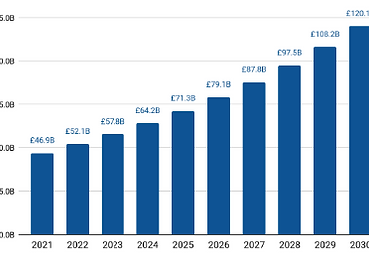
Prognosis of Anti-Aging Medicine Future Development


